
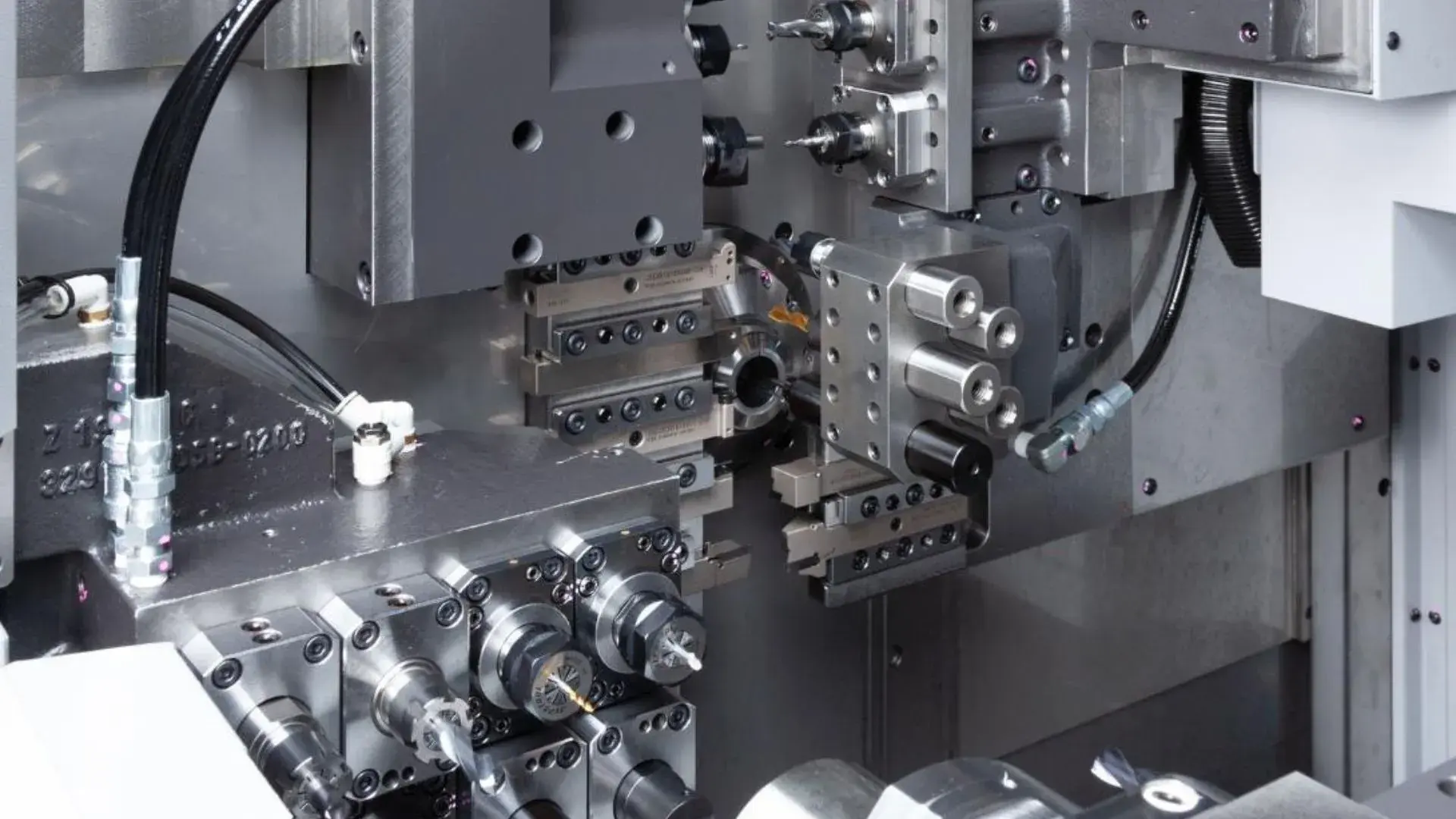
Why Swiss Machining Decisions Are More Strategic Than They Seem
Swiss machining is often introduced as a solution for small, complex parts. That is true, but it only scratches the surface.
The real challenge is not deciding if Swiss machining is the right fit. The challenge is choosing the right machine, configuration, and investment level for your operation.
Without a clear plan, shops can either overspend on capability they never use or underinvest and limit future growth.
For many manufacturers, that decision is becoming more urgent as labor shortages, training gaps and legacy multi-setup processes make it harder to keep throughput high and lead times under control.
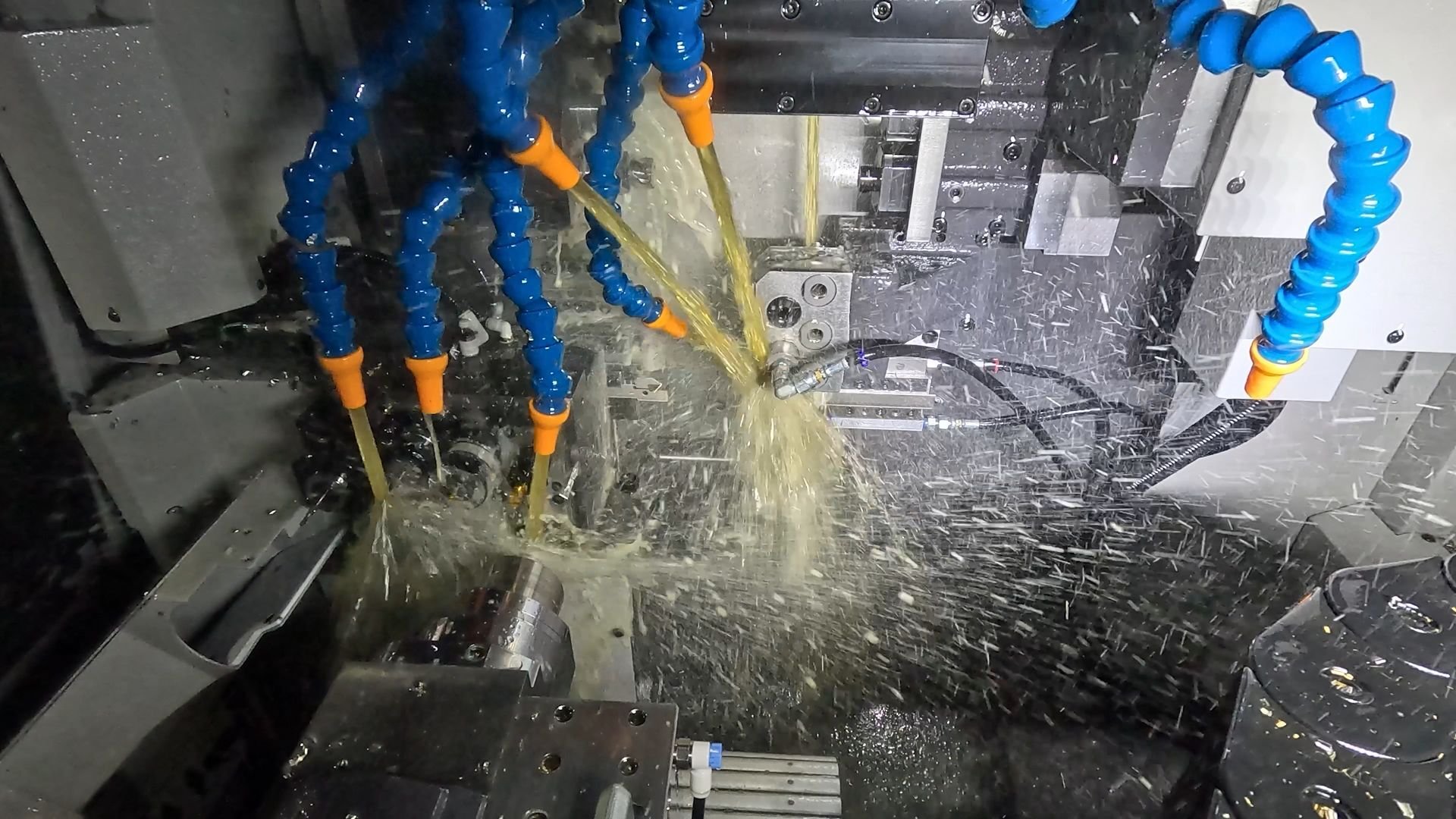
Start with the Work, Not the Machine
Before looking at machine specs or brands, focus on the parts you are producing.
Key questions to define your starting point:
- What diameters are you running most often?
- Are parts short or long relative to their diameter?
- How complex are the features?
- What materials are you cutting?
- Are you running one part repeatedly or many different jobs?
For example, spindle size matters, but bigger is not always better. Larger capacity machines provide strength, but they can limit spindle speed and efficiency for smaller parts.
The goal is balance, not maximum capacity. That matters even more for shops trying to move away from cam-driven or multi-operation turning processes that create extra handling, longer lead times and unnecessary work-in-process.
Understanding Machine Types and What They Actually Mean
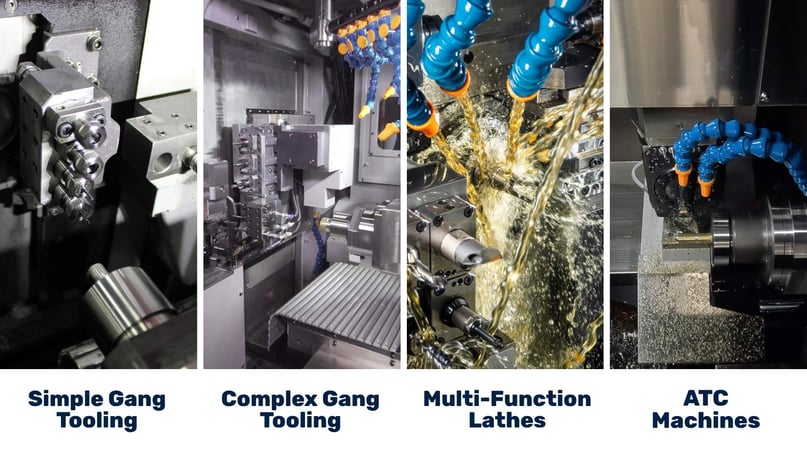
Swiss machines are not one-size-fits-all. They range from simple entry-level platforms to highly complex multitasking systems.
Here is how to think about them in practical terms:
| Machine Type | Best For | Capability Level | Key Advantage |
| Simple Gang | Basic parts, first-time users | Low | Easy setup and lower investment |
| Mid-Range | Mixed part production | Moderate | More flexibility with added tooling |
| Complex Swiss | High-volume, complex parts | High | Multiple tools cutting at once |
| Gang + Turret | Shops running multiple part types | High | Faster changeovers and versatility |
| ATC / Multitasking | Complex, multi-operation parts | Very High | Maximum capability and lights-out production |
For shops making the move into CNC Swiss for the first time, choosing the right platform also makes training, setup and programming more manageable. The key takeaway is this: machine type should match part complexity and production goals, not just current workload.
Dedicated vs Flexible: A Critical Decision
One of the most overlooked decisions is whether the machine will be dedicated or flexible.
Dedicated approach:
- Optimized for one or a small group of parts
- Lower complexity and lower cost
- Easier to maintain
Flexible approach:
- Handles a wide range of parts
- Requires more tooling and capability
- Higher upfront investment
If you are a job shop, flexibility often wins. If you are running long-term production contracts, a dedicated setup may deliver better efficiency.
Material Matters More Than Most Shops Expect
Material type changes everything.
- Tough alloys require more rigid machines
- Harder materials demand better tooling and coolant strategies
- Lighter machines may struggle with tool life and surface finish
If you are machining titanium, stainless, or tool steels, machine rigidity becomes a priority.
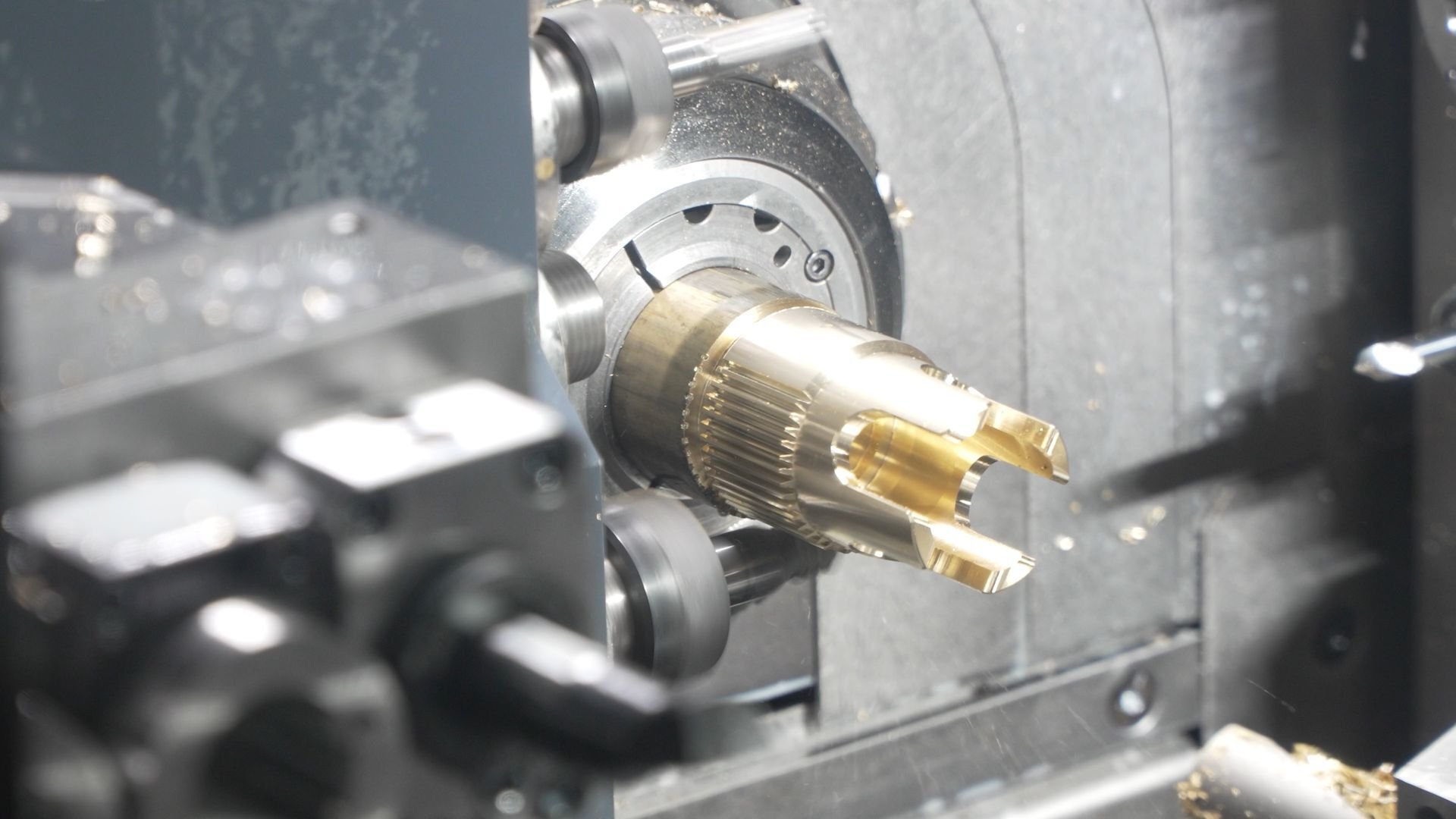
Accessories Are Not Optional
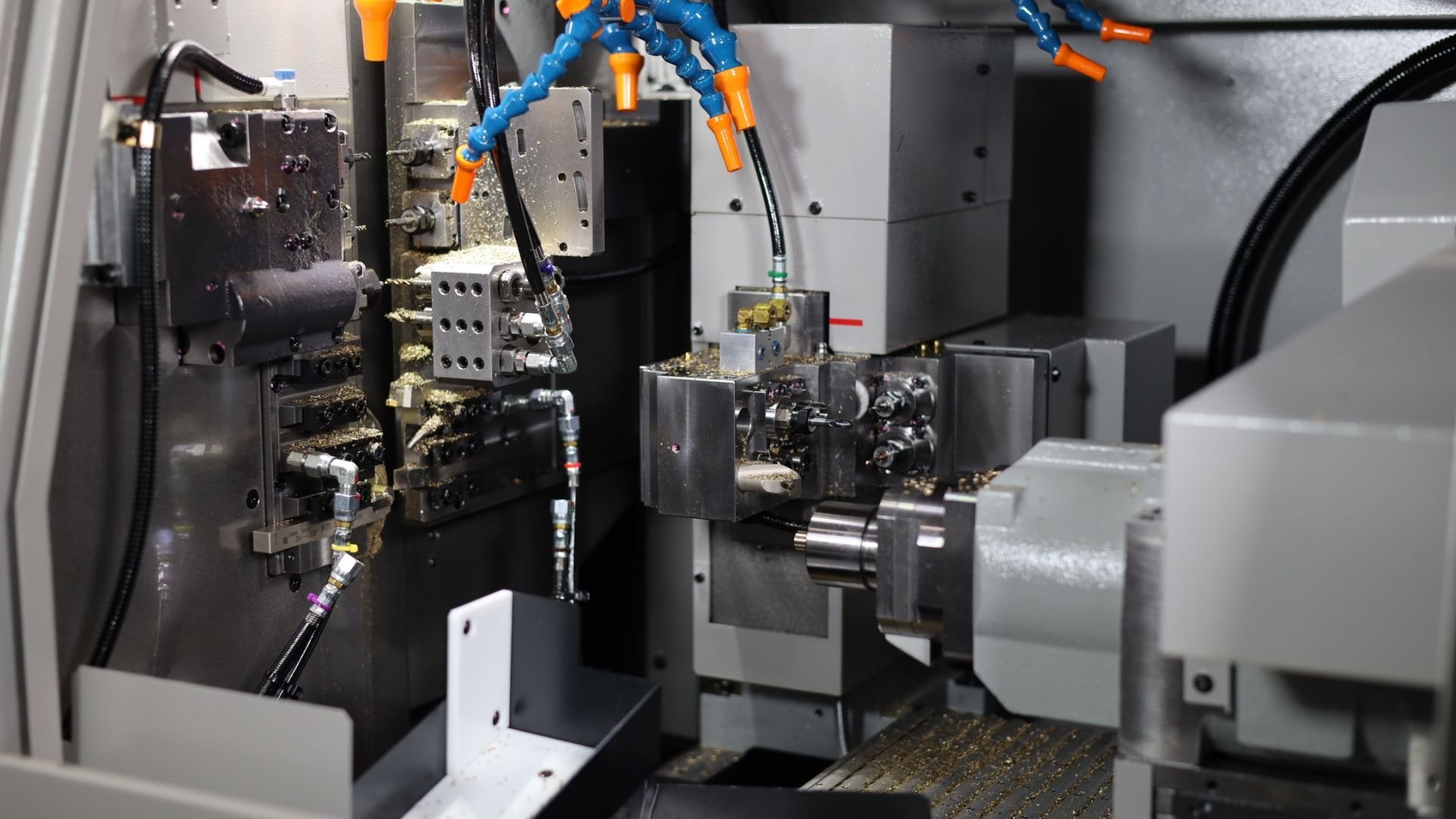
Swiss machines operate as a system, not just a standalone machine.
Critical accessories include:
- Bar feeders
- High pressure coolant
- Chip and parts conveyors
- Mist collection
- Modular tooling systems
The bar feeder is especially important. If it stops, production stops.
Choosing the right accessories can significantly impact productivity and unattended operation.
Budget: Aligning Investment with Capability
Budget plays a critical role in selecting the right Swiss machine, but it should not be viewed in isolation.
Instead of asking, “What is the lowest cost option?”, the better question is, “What level of capability do we need to support our production goals?”
A lower investment may meet immediate needs, but it can limit flexibility, restrict part complexity, and create bottlenecks as work evolves. On the other hand, a higher capability machine can open the door to new opportunities, reduce setups, and support unattended production.
The goal is to find alignment between:
- Current part requirements
- Future growth plans
- Desired level of automation and efficiency
In many cases, the most cost-effective decision is not the least expensive machine, but the one that delivers the best long-term value for your operation.
What the Right Swiss Machine Enables
When the right machine is selected:
- Parts are completed in one setup
- Quality improves by reducing handling
- Throughput increases with unattended operation
- Labor requirements decrease
- Production becomes more predictable
Swiss machining is not just about making small parts. It is about creating a more efficient and scalable production process, and working with the right partner to choose a Tsugami platform that supports both current production and future growth.
Not sure which Swiss platform best fits your parts, materials and production goals? Connect with Morris to evaluate the right Tsugami solution for your operation.