
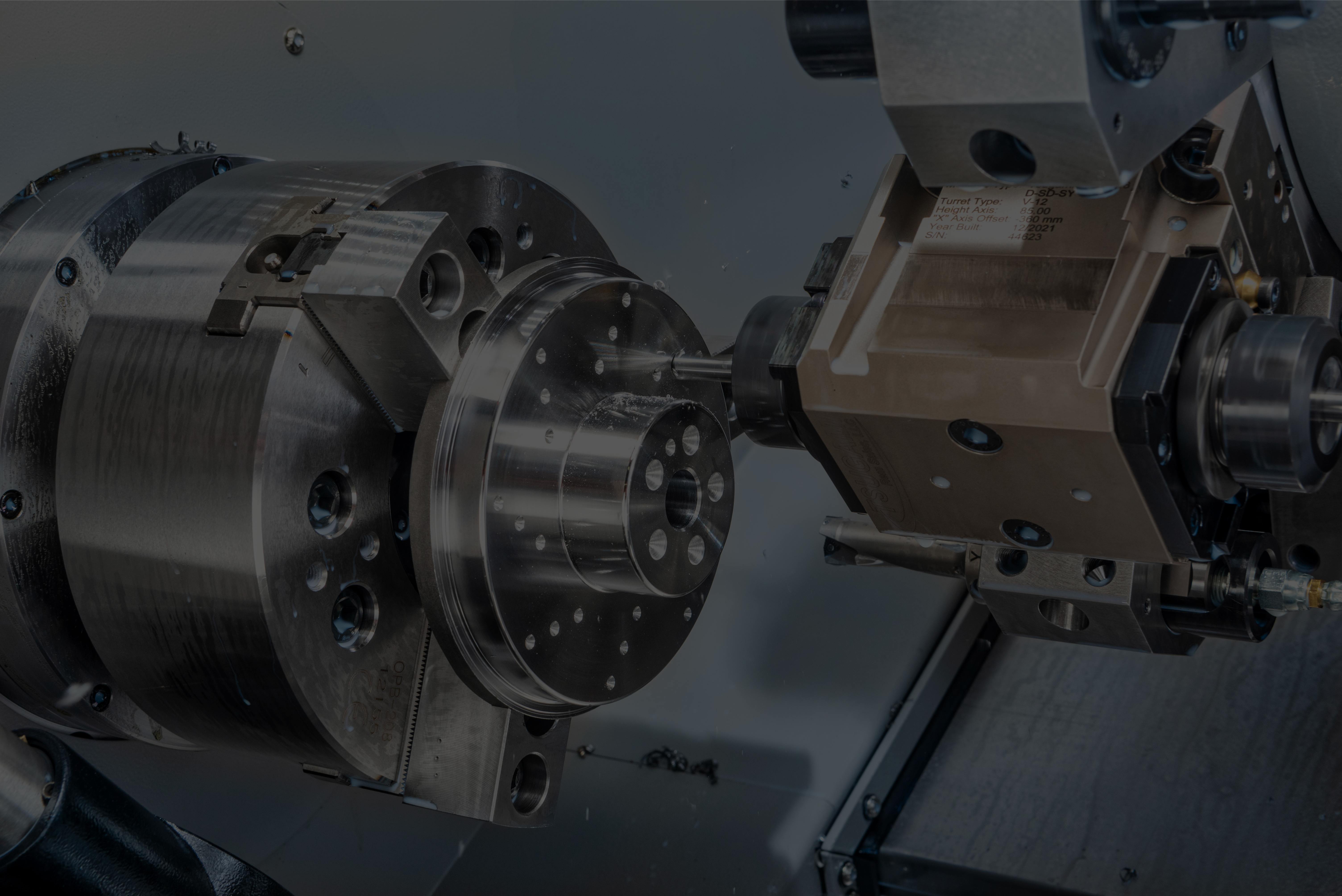
Many shops think they need more people or more machines to boost output. In reality, most shops already have unused capacity sitting on the floor. Spindles stop for long setups, slow routines, unplanned downtime, and small problems that pile up. The fastest way to increase production is to raise spindle utilization and keep machines cutting. This playbook gives you a ninety day plan with practical steps, quick wins, and a basic audit checklist. Morris applications support and service make the process easier and help you get results faster.
A Simple Framework for Raising Spindle Utilization
-
KNOWLEDGE IS POWER, GET A BASELINE:
To know where to start within this journey, current spindle utilization needs to be monitored and tracked. This could be as simple as observing every time a machine is idle and investigating the cause of lapse in production. Once a baseline for utilization is established, decision making can then take place on what causes will lead to the most significant improvements. -
STANDARDIZE WORK:
When every job has a different setup or process, spindle uptime is greatly minimized. Standard tools, common raw stock sizes, clear setup sheets, and repeatable routines help operators move faster and make fewer mistakes. -
PROTECT UPTIME:
Unexpected machine breakdowns kill productivity. Fast Morris service response and solid preventive maintenance help machines stay running and reduce stop and start issues.
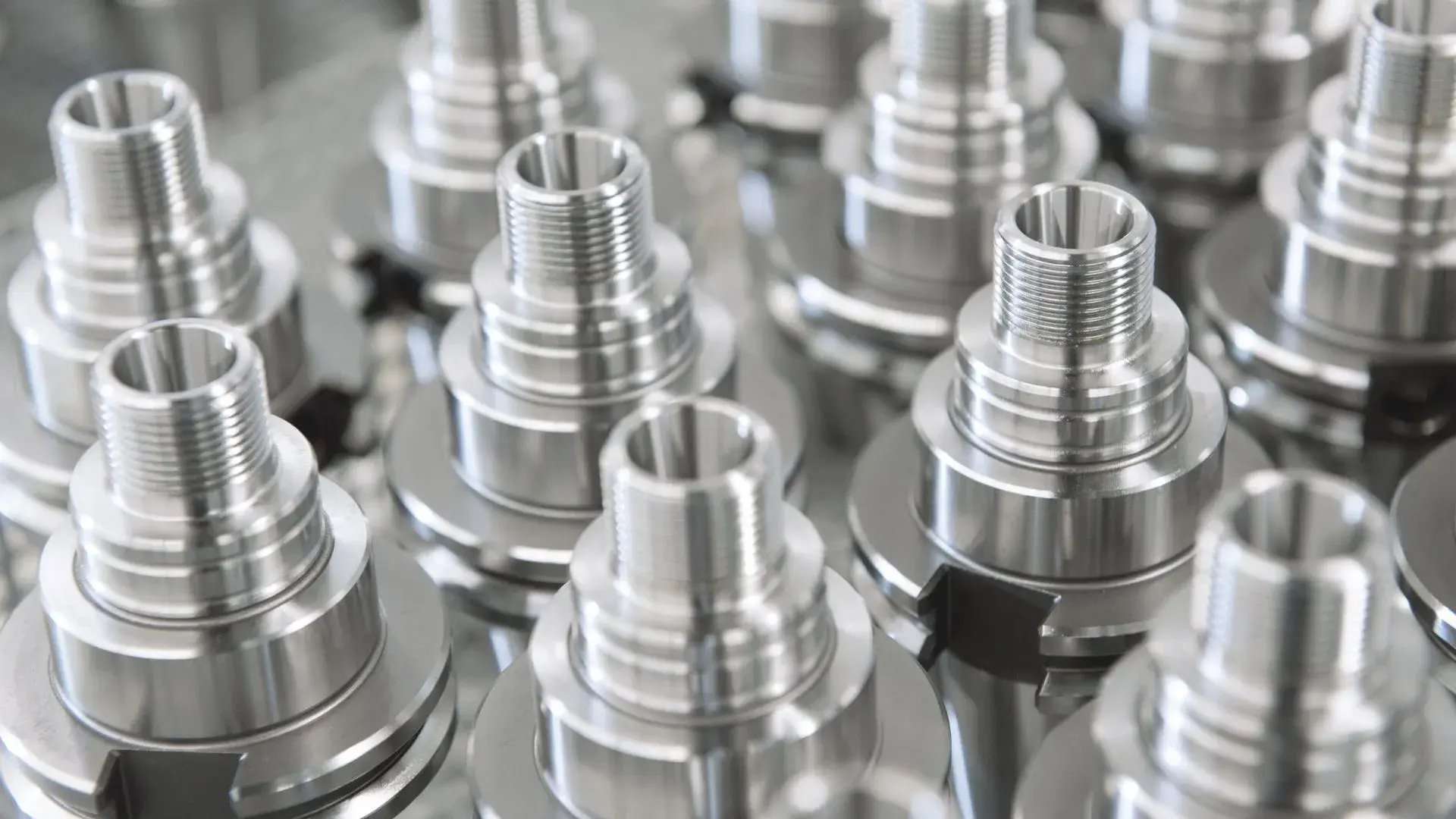
Quick Wins to Capture More Cutting Time in Thirty Days
-
SHORTEN TOOL TOUCH TIME:
Set up a simple tool presetting routine. Label tools clearly. Keep tools stored where operators can reach them fast.
-
CLEAN UP THE PROGRAM LIBRARY:
Remove old program versions. Create one central folder with approved files. This cuts down on hunting and errors. -
ADD SIMPLE OPERATOR GUIDES:
Use photos, notes, or digital instructions to help operators get comfortable running jobs without guesswork. -
FIX SMALL DELAYS:
Chip buildup, coolant issues, slow part handling, or extra measuring steps often waste several minutes each cycle. Cleaning these up adds hours of spindle time each week. -
IMPROVE JOB SETUP:
Use basic setup sheets. Move as much prep as possible outside the machine so the spindle can stay running.
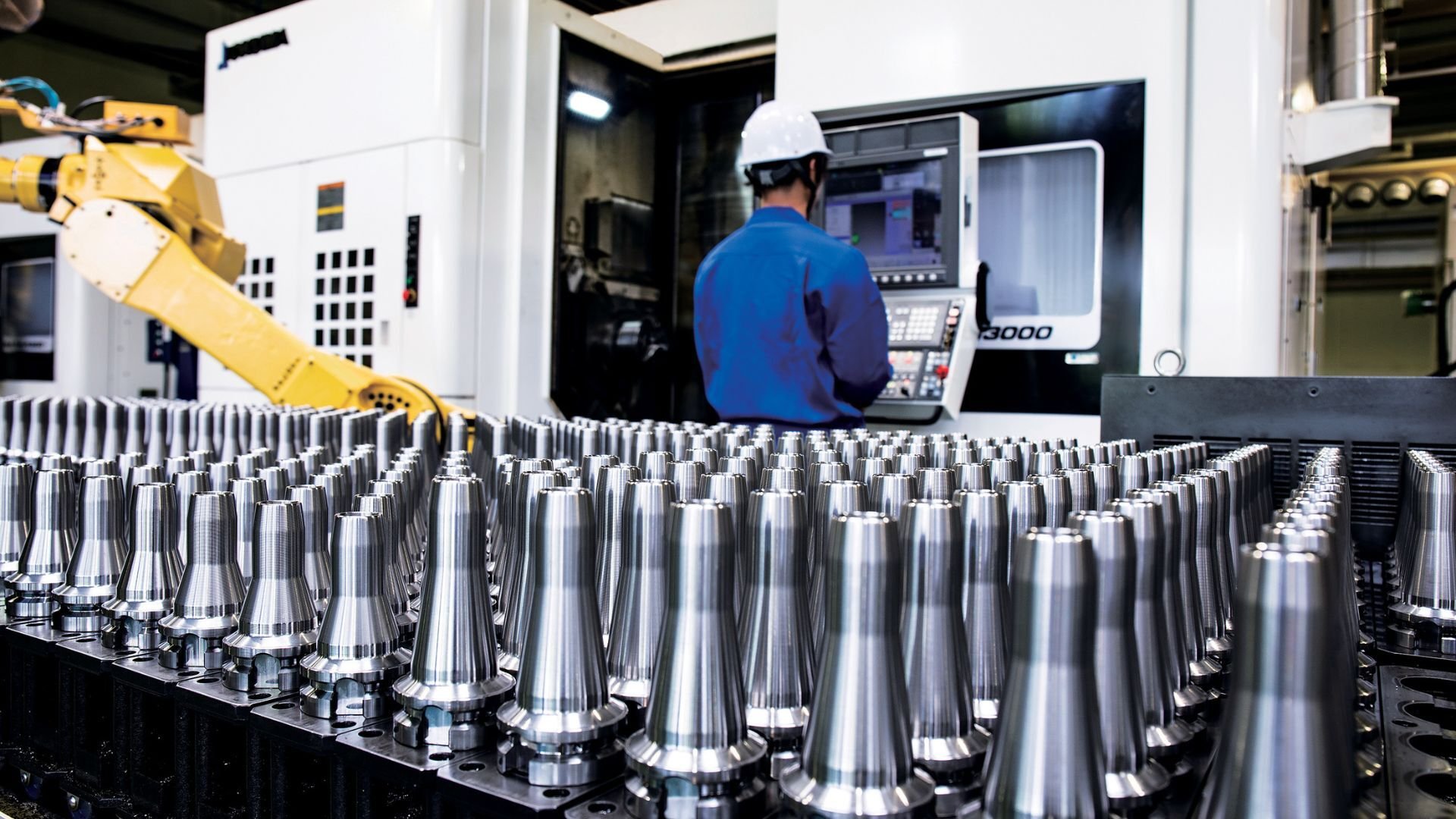
The Sixty to Ninety Day Push: Increase Throughput at Scale
- IMPROVE WORKHOLDING:
Stronger, more repeatable fixtures improve first part quality and reduce operator adjustments. -
OPTIMIZE TOOLPATHS:
Morris applications engineers can help remove wasted moves and improve feed rates while keeping accuracy high. -
ADD AUTOMATION WHERE IT FITS:
A simple tending solution like the Morris Machine Tending Cart keeps machines running longer, especially on repetitive jobs. Automation works best after the process is stable. -
USE MORRIS SERVICE FOR UPTIME STABILITY:
Fast response and good preventive care lower downtime and keep your machines running reliably.
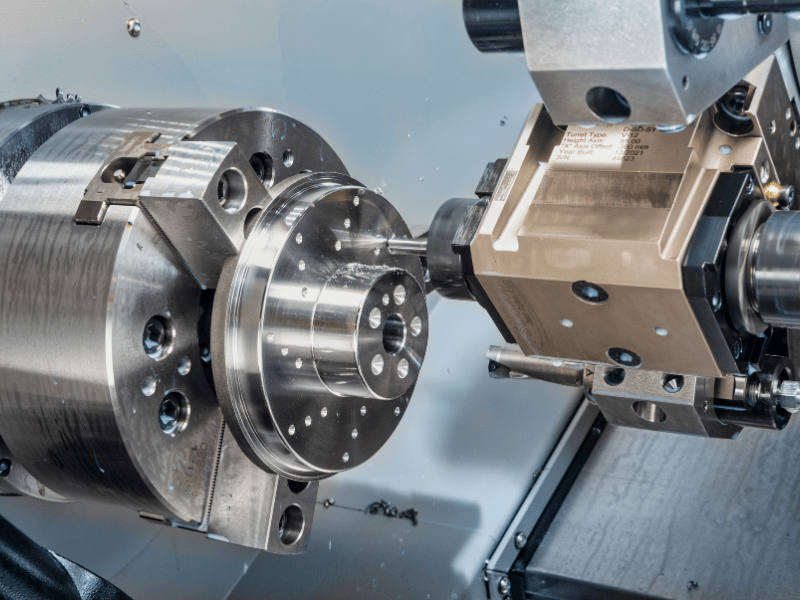
The Spindle Utilization Audit Checklist
Use this list every thirty days to measure progress.
✅Setup and changeover
-
Average setup time per job
-
First part quality
-
Clear setup sheets
-
Offline prep options
✅Tooling
-
Clear preset routines
-
Tool labeling
-
Tool life tracking
-
Use of probing
✅Programming
-
File control
-
Naming structure
-
Toolpath efficiency
-
Use of probing
✅Workholding
-
Fixture repeatability
-
Clamp and unclamp time
-
Need for adjustments
-
Fixture consolidation
✅Machine uptime
-
Unplanned downtime
-
Service response time
-
Preventive maintenance
-
Basic coolant and chip issues
✅Labor efficiency
-
Machines per operator
-
Clear instructions
-
Tasks to automate
-
Cross training
The Payoff
Most shops gain 10 to 20% more spindle utilization within ninety days.
All without extra hiring or new machines. Morris support, applications engineering, and fast service help turn hidden capacity into real output.